Marigot
The capital of the French side
This town on the western side of the island was once a dirty, swampy fishing village (its name means “swamp” in French). Its rise may have begun during the reign of the French king Louis XVI. It became the capital then, and Fort St. Louis was built on the hill beside the bay around the same time. In fact, it remains the most important building in town to this day. Marigot really took on an urban character in the XVIII century, as sugar cane production and exports grew. We can still see that townscape today, in a more modern version.
The town has several neighbourhoods: Agrément, Hameau Du Pont, Galisbay, Concordia, Sandy Ground, Saint James and Bellevue. Don't picture big-city districts, though: the population barely reaches 10.000.
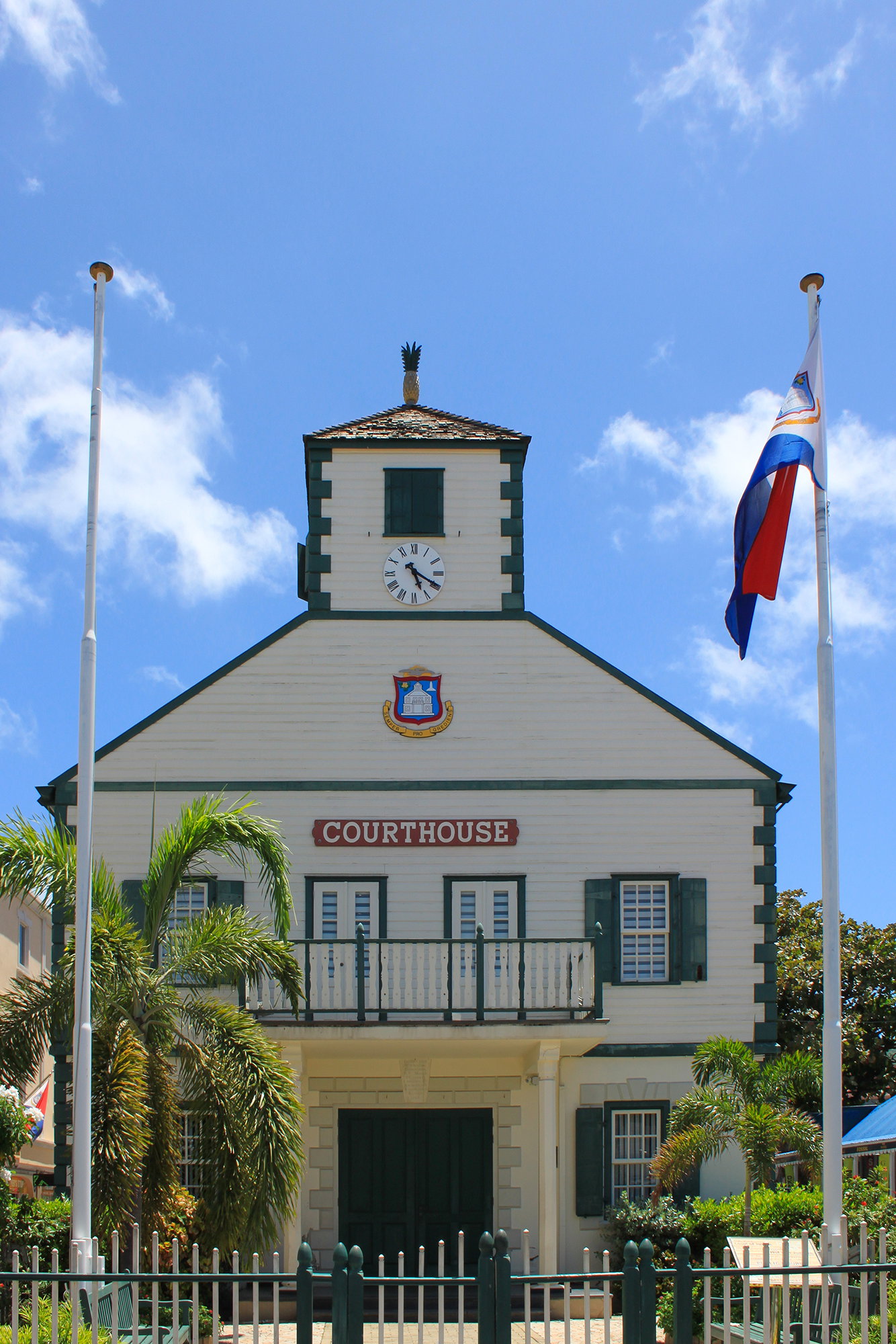
The town's charming, two-storey colonial-style houses set the scene. A walk through town promises plenty of lovely sights, and Rue de la République is a perfect example. The little buildings, which the locals call gingerbread houses, are a magical sight.
In the middle of town you'll find the harbour, the market and the surprisingly modern shopping centre.
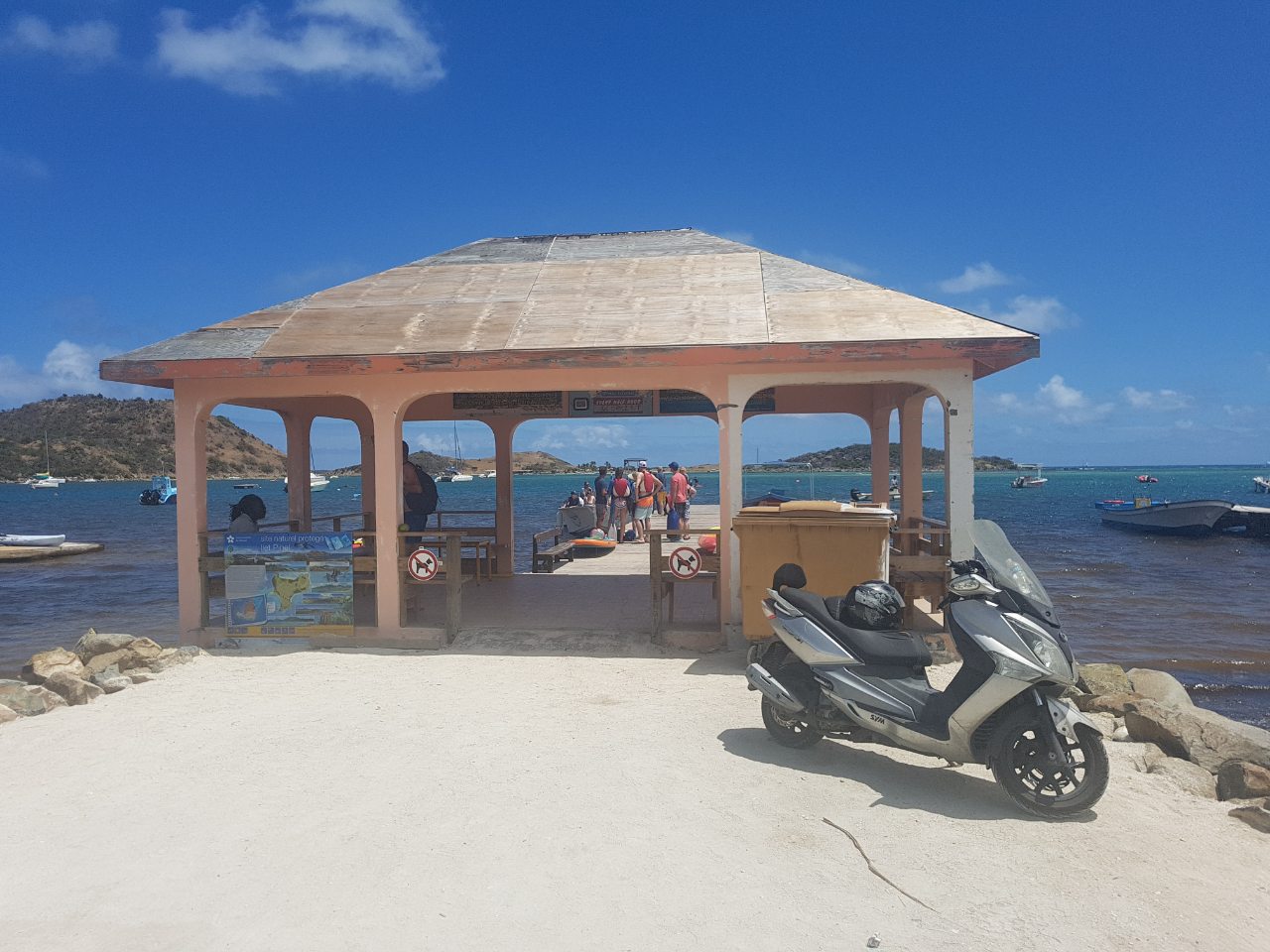
At the marina, there's no shortage of options if you're looking for a boat trip or want to rent a boat. The day trips are well worth considering, and they give you a chance to visit neighbouring islands too (a catamaran rental for a day, with a skipper, costs around 1000-1200 EUR, and the boats can take up to 20 people). Experienced sailors can also rent monohulls and catamarans through brokers at the marina. Scheduled services to Anguilla and, occasionally, Saint- Barthelemy also leave from here (it's cheaper than flying, but the journey takes longer. In bad weather, expect waves). You'll find an endless number of taxis outside the ferry terminal at any time of day.
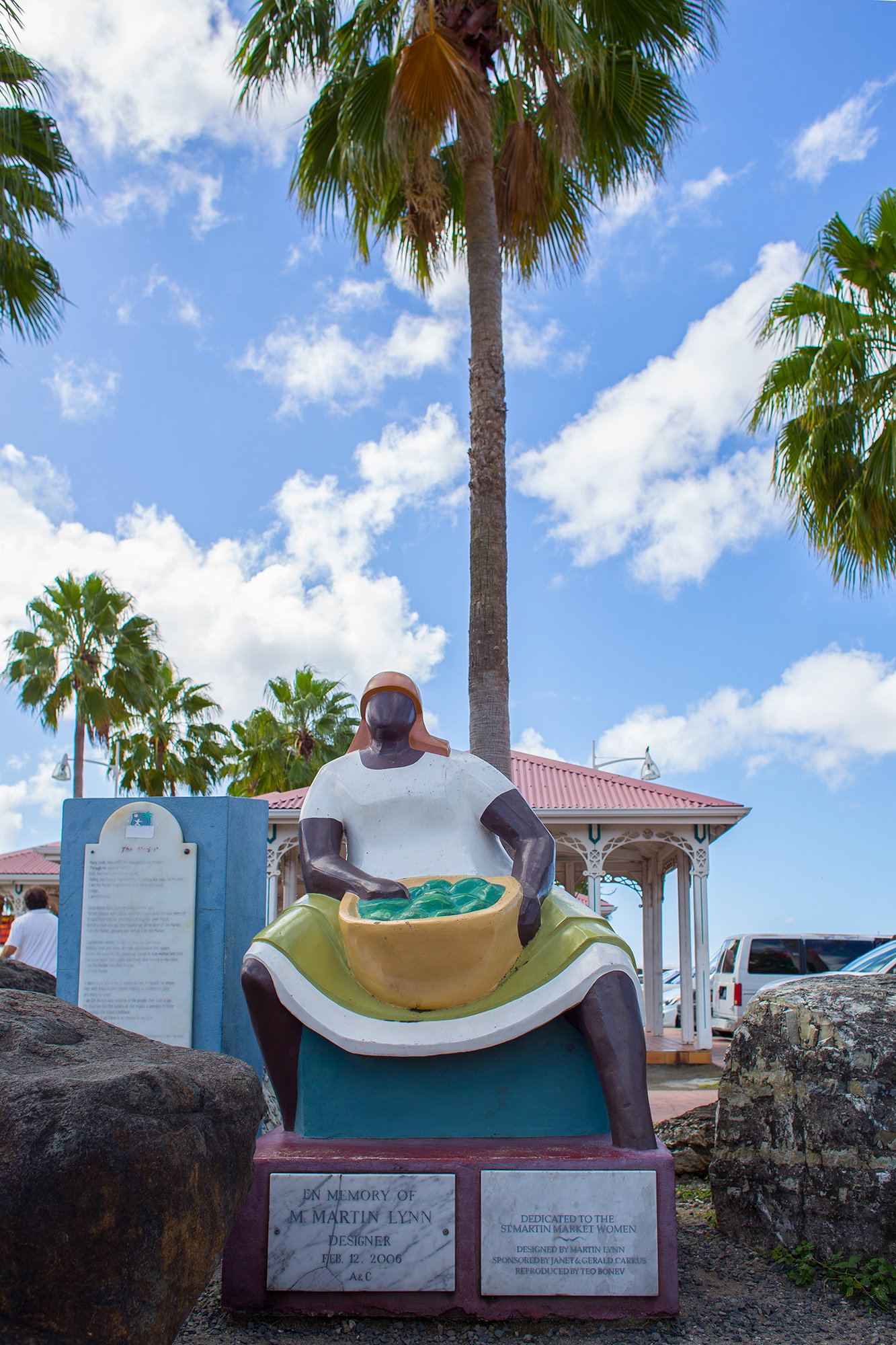
The market is open practically every day, but the “big” market days are Wednesday and Saturday, mostly in the morning. Alongside the clothing and jewellery sellers, in the part farther from the harbour, you'll find a fishmonger, a baker, a fruit seller and a butcher. These are the real treats.
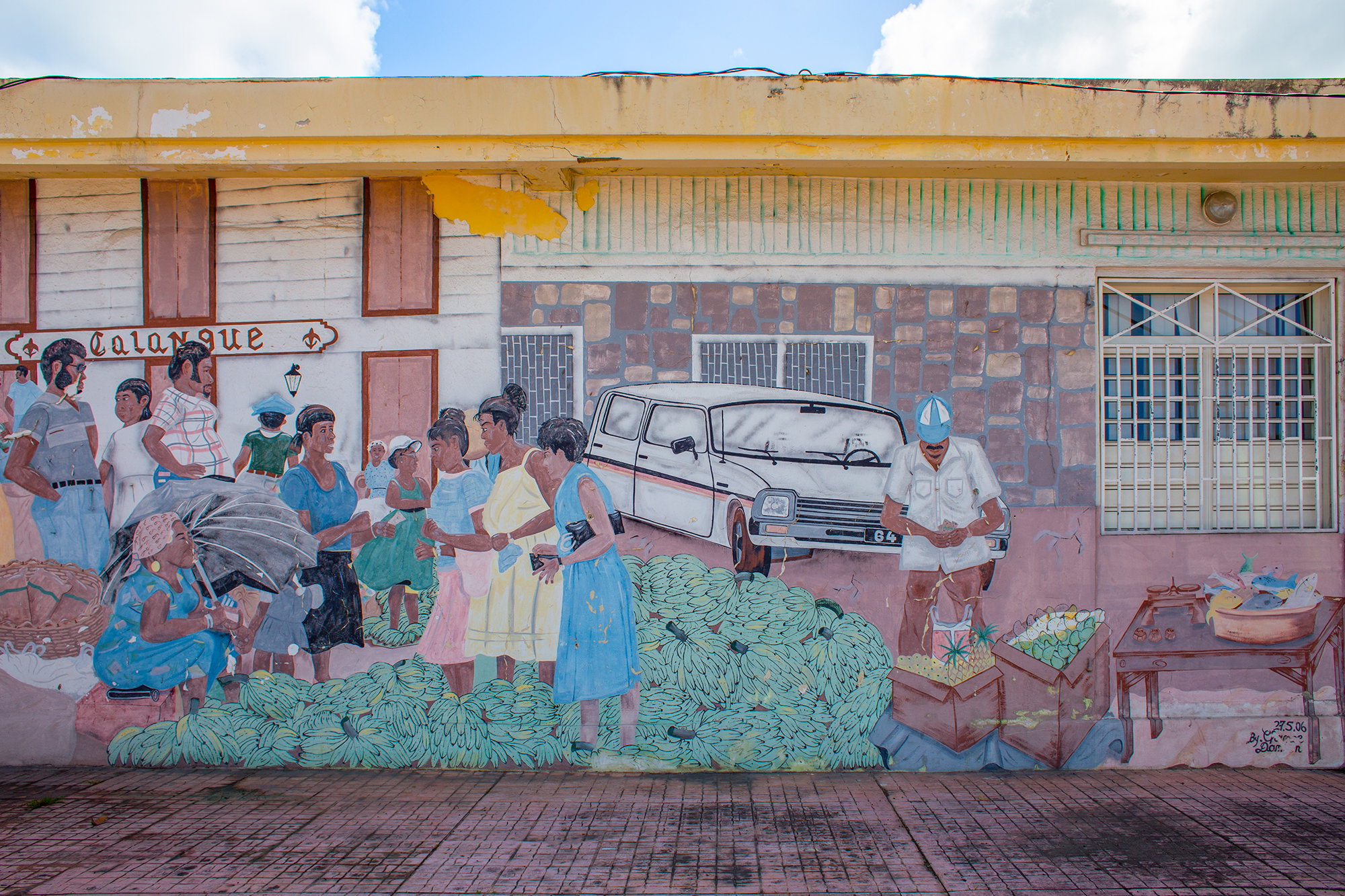
The shopping centre is worth a visit too. If you've already been here for a few days, it'll feel strange to come across European-quality shops and air-conditioned shopping. The mall is just a few steps from the harbour, practically across the street.
The little town is made up of a few streets, but it's still too big to explore entirely on foot. The ground floors of the houses on the side streets are almost always home to shops too. It's worth spending more time here and exploring the smaller streets as well. Bars and shops alternate, some Caribbean in style, others French. There's something here to suit everyone's needs, even if you have the highest expectations when it comes to food or quality.
Marigot has plenty to offer, from European cuisine to local treats. You'll find everything from open-air grills by the bay serving fresh red snapper Creole-style and freshly grilled lobster, to cosy French cafés offering buttery croissants and the French favourites from the bakery. You're sure to be in for a gourmet adventure. Get a taste of the real local food scene and visit the “Spice Lady”, known not only for local spices but also for spices from all over the world. It's worth trying a bottle of Guavaberry liqueur at the Guavaberry Columbier Tradition restaurant. There's an endless world of culture, taste and aroma to experience in the heart of the French side.
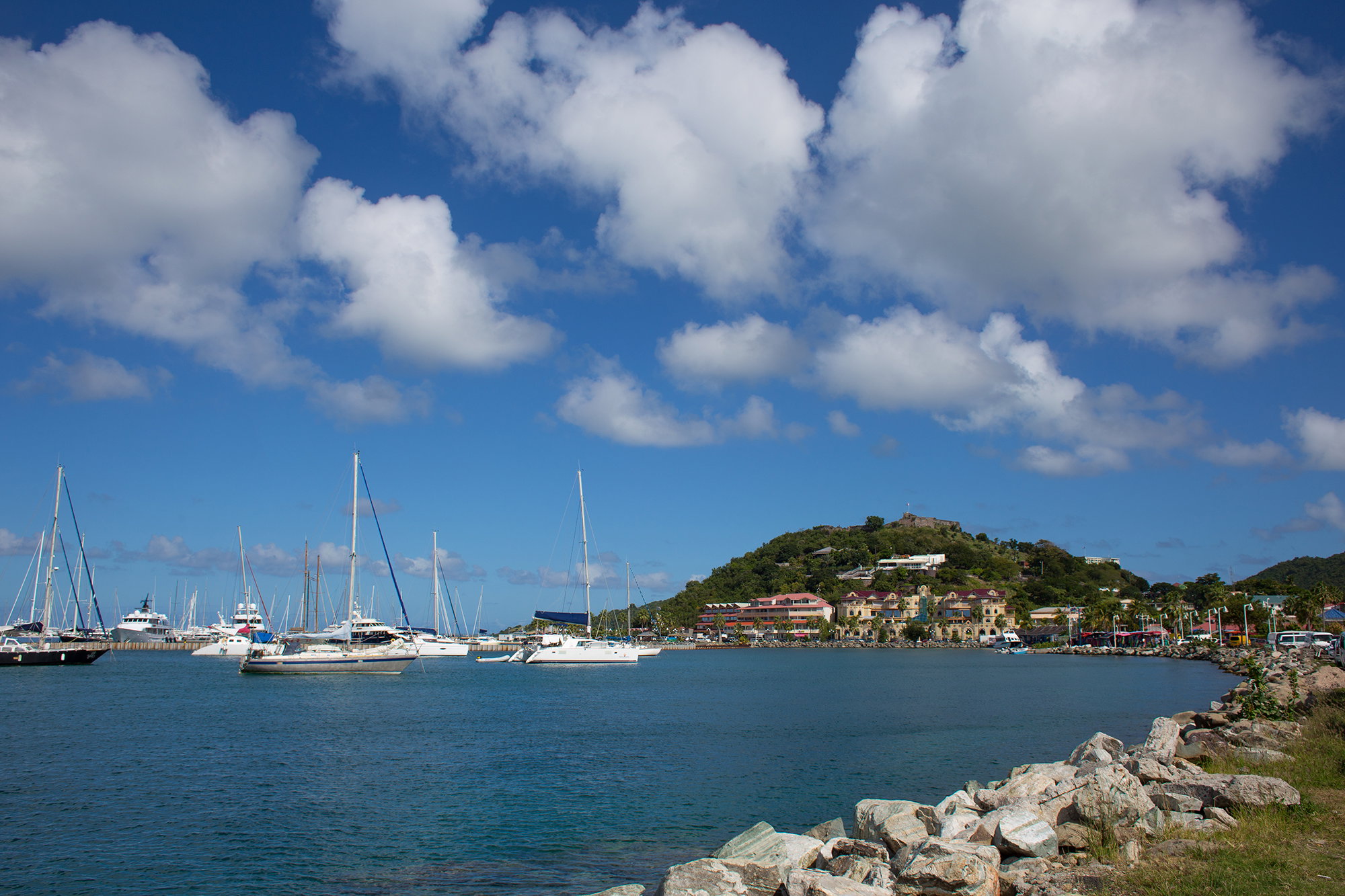
Sailors may find the Marigot lighthouse useful (18°04’15.8”N 63°05’11.5”W, FI WRG 4s, 10 metres (33ft), NGA number: 14732, Admirality number: J5658, Range nml: white: 11 red: 7 green: 7.
If you're arriving by car, be prepared: finding a parking space in the centre of town isn't easy. If your patience runs out, your chances of finding a free space improve as you head out along the road parallel to the seafront. That's especially true on market days.