Philipsburg
Philipsburg – The capital of the Dutch side
A truly lively Sint-Maarten town. It's the administrative capital of the Dutch side and also the most populous town on the island.
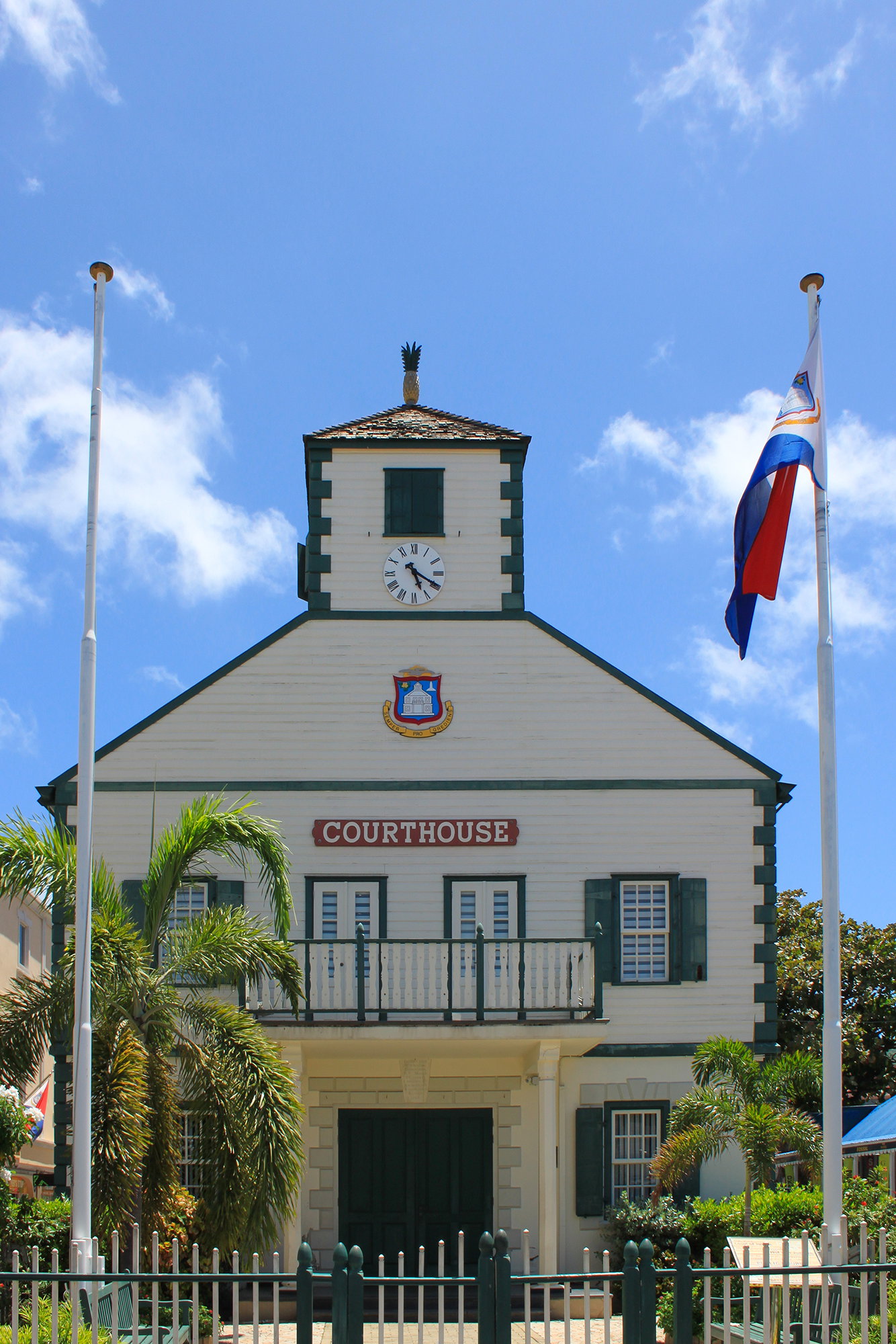
The highlights: a cruise ship port, duty-free shops, casinos, the cheapest place I know to buy diamonds, beer and food everywhere, party spots, a beach, a courthouse, a yacht marina...
I think that deserves a closer look.
This is the part of the island that captures the real essence of island life. You'll find everything here that appears in magazines and travel agency catalogues. Naturally, it's the most visited place on the island, and every tourist passes through at least once. Don't expect spotless streets or a parade of impeccable gentlemen and ladies. This is a real Caribbean town, with its dirt and its usual cast of characters. But there's no need to worry about safety: crimes against tourists aren't common.
The bureaucrats tasked with naming the streets must have given it a lot of thought before deciding to register the street by the beach as Front street and the second street as Back street. The other, smaller streets were given Dutch names. Getting lost is impossible.
Green bay (the beach) and Front street are the most popular spots, and between them you'll find everything that makes Philipsburg what it is. Along the beach, you'll mostly find bars, restaurants and sun loungers, while the street is lined with fashion, gold and diamond shops.
The easiest place to park is on Walter A. Nisbeth Road on the northern side of town, or on the open land beside it. From there, the town's sights are less than a 5-minute walk away.
The prices in the diamond shops are interesting. You can bargain them down to as little as a quarter or a fifth of the listed price, provided you pay cash (there are several ATMs on the street).
Don't forget that the accepted means of payment here are US dollars and bank cards. Local merchants mark their calendars like it's a holiday when the giant cruise ships packed with American and European tourists dock, and thousands or even ten thousand travellers hungry for diamonds and beer descend on the town. These same ship dwellers also descend on the island's other towns, giving taxi drivers (prices go up a little on these days), servers and shop assistants plenty of work.
In shops marked duty-free, you can find anything your heart desires, from genuine luxury watches to fakes so similar they're hard to tell apart. The same goes for clothes and bags, of course. Shop carefully, because European border control can confiscate fakes without mercy. Genuine items may be subject to customs duty.
The town is the island's gambling centre. Countless casinos and gaming halls lure visitors in with colourful lights and, usually, people stationed at the entrance to usher you inside. Poker tournaments, roulette, slot(?) machines, blackjack and baccarat: generally the usual menu. It's not my place to talk anyone out of it, but I'd warn everyone against picking a fight with Fortune while on holiday.
If you've had enough of bars, restaurants and party spots and you're craving a more intellectual experience, you can try to replace those lost brain cells with a visit to the local zoo (with monkeys, parrots and crocodiles), the Sint-Maarten Museum, which presents the lives of the Arawak people, and the fort. The remains of Fort Amsterdam rise above the bay, and its history is worth looking into. Clearly, the choice of name also reflects the ingenuity of the Dutch bureaucrats. The Dutch built the triangular colonial stone fort in 1631 to protect Sint Maarten's seaport. Up at the fort site, you'll find a few rusty cannons and signs telling its story. It's a particularly interesting tale of how many times and in what ways the fort and the island changed hands throughout history. Spanish, French, English and Dutch rule alternated.
Interestingly, the town has a population of roughly 7000, who quietly make a living from the approximately one million cruise ship tourists a year, plus those arriving on the dozens of planes that land daily. It's a magical sight when some of the world's largest ships, Harmony of the Seas, Symphony of the Seas, MSC Meraviglia, Royal Princess and Queen Mary 2, are docked side by side.
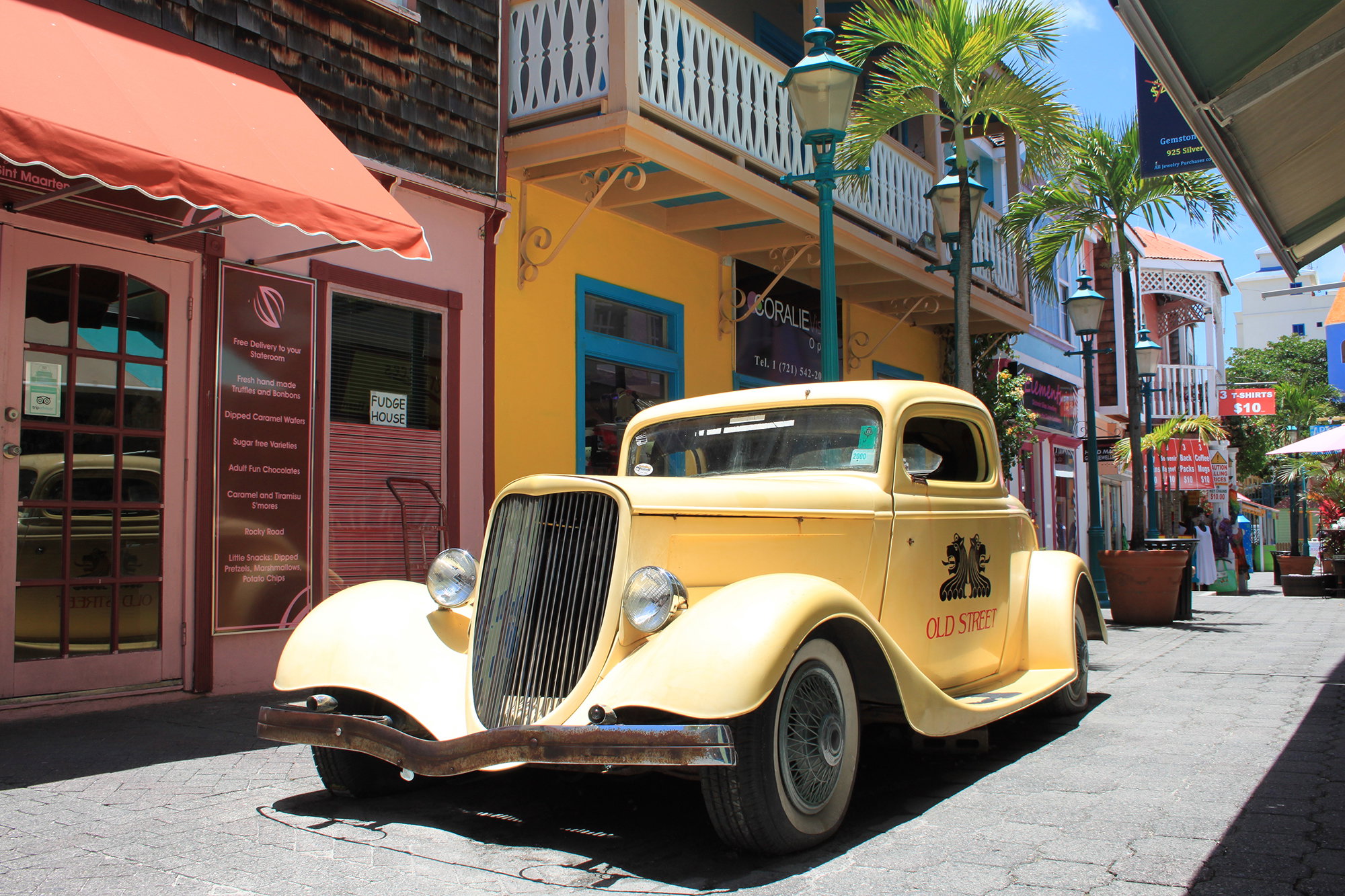
They do everything they can, within their means, to make sure visitors enjoy themselves and get swept up in the shopping experience. The biggest names in fashion appear in the shop windows, all competing for your attention. Many boutiques offer almost all the big names in fine jewellery and watches. It's worth popping into the mobile phone shops too: you'll find some surprising prices, but watch out for potentially different standards. The perfumeries also have a very wide selection of cosmetics and perfumes from top international brands. You'll find everything from typical souvenir shops to big retail chains. With a little searching, you can also find some original, locally made gifts. Some shops sell cigarettes and alcohol at unbeatable prices too. Products purchased in Philipsburg are duty-free. The extremely attractive prices are thanks to low taxation, with no customs duty or VAT.
It's worth walking over to Holland House, which was built as the town's first hotel and still serves that purpose today. On the ground floor there's a bar and restaurant open to everyone. I definitely recommend it as a place to cool off for a bit. (There's a public toilet in the basement, accessed from street level.)
A really entertaining event and spectacle is the Heinekken Regatta, held every year at the end of February and beginning of March. Alongside the professional sailors, the amateur entrants in the sailing race often put on a full show for spectators at the harbour entrance and exit by Simpson Bay Bridge. Countless events and concerts accompany the race. Details: https://www.heinekenregatta.com/