Mobile networks, internet and electricity
Before we reach for our phones and fill social media with holiday photos:

The two sides of the island don’t just have different flags. Your phone bill can change too. French Saint-Martin is part of the EU, so EU roaming rules can apply if you have an eligible EU mobile plan. You’ll still need roaming enabled and an available partner network, and your roaming data allowance may differ from what you get at home. Check your plan before travelling; the EU’s roaming guide explains the general rules.
Dutch Sint Maarten is outside the EU, so EU roaming benefits don’t apply automatically. Some operators include it in a more favourable tariff zone; others charge considerably more. If your plan is from outside the EU, check the rates for both sides separately. Same sea, same phone, very different bill.
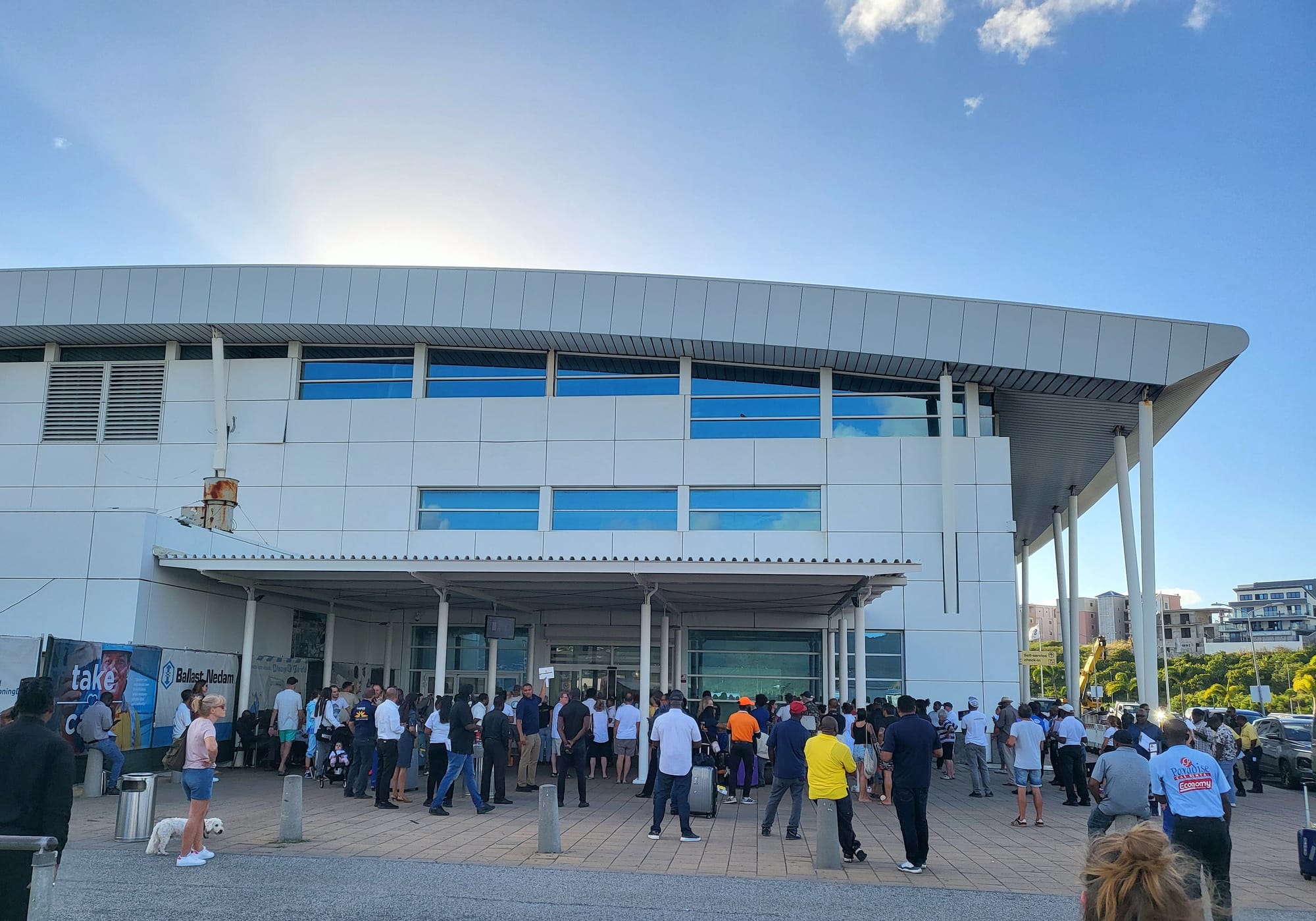
Switch off data roaming before landing until you’ve checked your rates. Princess Juliana Airport is on the Dutch side. It would be a shame to spend your dinner budget on your phone before your suitcase arrives.
Finding the right network on the French side isn’t the end of the story. Radio signals don’t stop at the border, and your phone may automatically connect to another operator. Manual network selection can help: choose a partner network that your home operator confirms is covered by your plan. A network that works well with one subscription may have different conditions with another.
Once you’re connected, keep this island-appropriate saying in mind: “Don’t get annoyed when there’s no internet. Be happy when there is.”
The international dialling code is +590 for the French side and +1 721 for the Dutch side. Save phone numbers in full international format rather than figuring out how to dial them each time you cross the island. The tourist board’s practical guide includes local telephone information.
Use the destination country’s international code when calling home too. You can check country codes in the ITU’s international numbering directory.
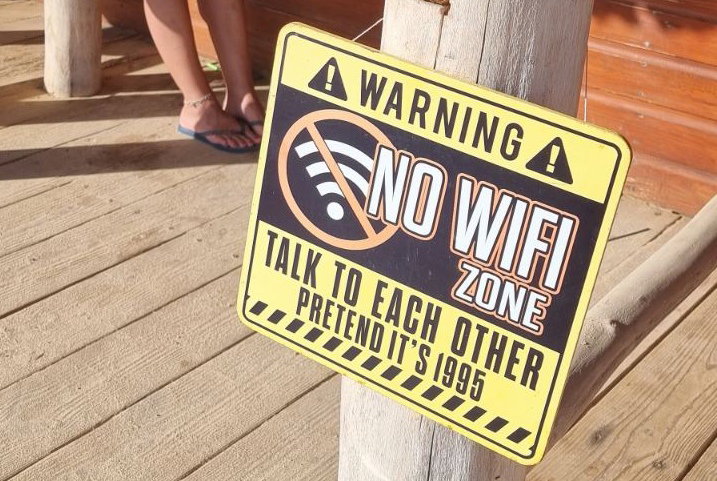
Most accommodation and many restaurants offer free Wi-Fi. How good is it? That depends. Sometimes excellent, sometimes a little unpredictable. Patience. We’re on holiday…
A few words about electricity:
The French side uses continental European-style sockets and a nominal supply of 230 V, 60 Hz. Standard continental European phone-charger plugs usually fit without an adapter. The supply specifications are available in EDF’s documentation — in French.
The Dutch side generally uses 110–120 V and US-style sockets. Bring the appropriate plug adapter if your plugs are different. The tourist board’s electricity information covers the distinction between the two sides.
One important detail: a plug adapter doesn’t convert voltage. Check the charger’s “Input” label. 100–240 V, 50/60 Hz covers both supplies. Many phone chargers have this rating; examples appear in Apple’s charger specifications. Don’t assume the same is true of your hairdryer.