The Island's Wildlife
Friendly is also the perfect word for the island's wildlife, since poisonous or dangerous animals and plants aren't common. Of course, that's partly PR too, as there are a few living things you should watch out for.
Of course, it's worth following the "don't mess with the wildlife" rule.
A very rarely seen viper lives on the island: the fer-de-lance (Andean lancehead). It doesn't go looking for trouble; if it bites, it's only because someone has stepped on it.
Another rarity is the Caribbean giant centipede (scolopendra gigantea), which is also venomous.
Mosquito bites can be a nuisance, as mosquitoes may carry dengue or zika virus. Local shops sell products specifically for tropical mosquitoes, so it's worth picking some up and using it for complete peace of mind.
Since the hurricane, the spread of stray dogs has become another potential hazard, because not all the animals roaming around are friendly and looking for affection. Be careful when making friends with them, as some bite and the authorities officially don't do anything about them.
If you come across trees marked with red paint, those are Manchineel trees, whose green berries are very poisonous: never stand under one in the rain, and don't eat its berries.
Over the years, we haven't encountered any of these, but it's best to keep your eyes open, since this is a Caribbean island in the middle of the ocean, after all. If something does go wrong and you manage to get into a "disagreement" with something unusual, go to the hospital immediately: they can help because they know the antidote. ( detailed information here: https://www.gotosxm.com/a-legfontosabbak/eg%C3%A9szs%C3%A9g%C3%BCgyi-ell%C3%A1t%C3%A1s-ment%C5%91k ).
That's enough warnings; let's move on to the beautiful creatures you'll see very often, the ones that make your holiday unforgettable.
It would be hard to list every species among the tropical island's diverse and fascinating wildlife. If you really want to dig deeper, there are several wildlife identification guides available online, compiled by researchers studying the wildlife of the surrounding islands. The list is almost endless for such a small Caribbean island.
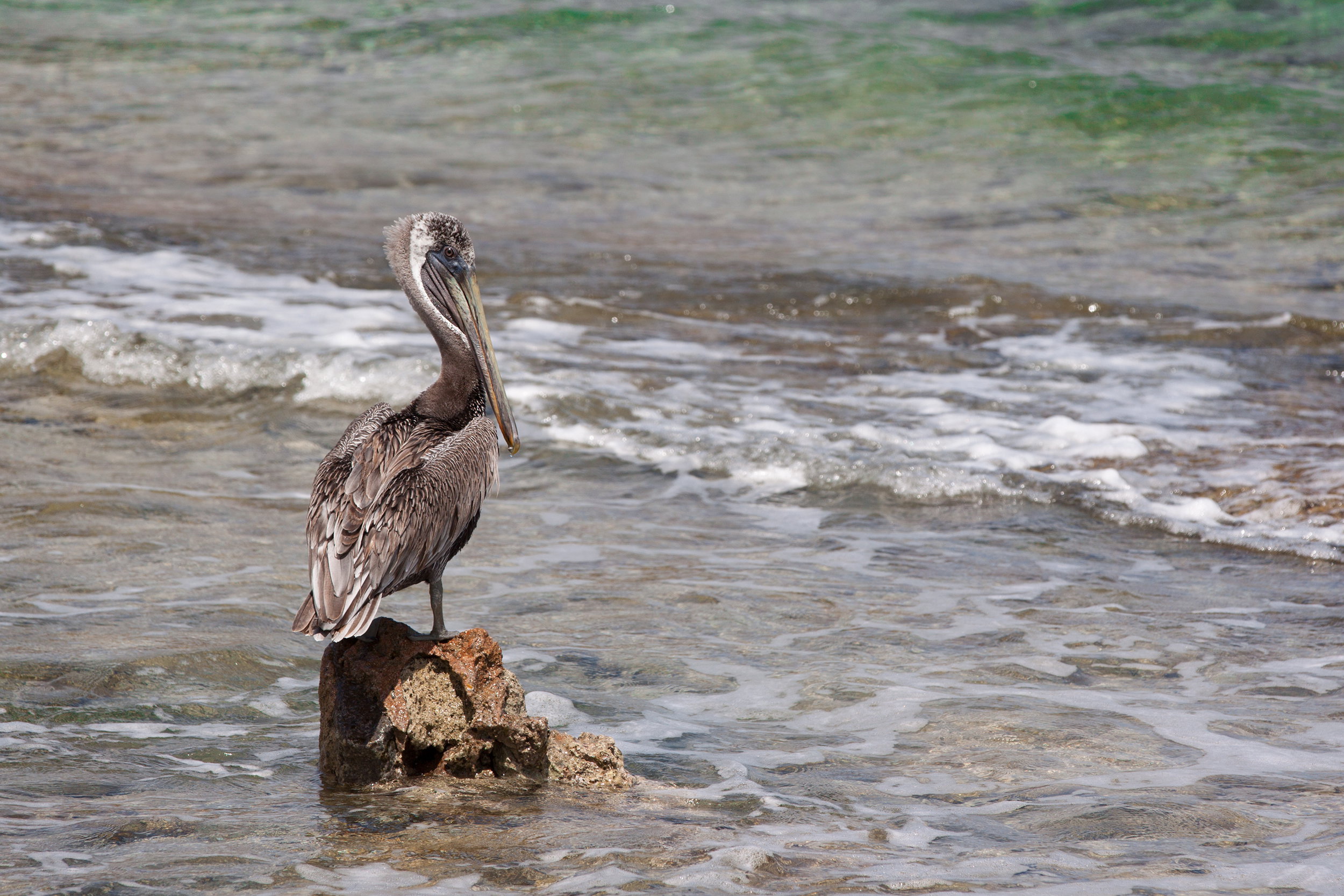
Along the beaches and rocky shores, numerous species of seabirds live side by side, including gulls, terns, frigatebirds, fishing birds and brown pelicans (the island's symbol). Brown pelicans look like those big flying "leathery dinosaur birds" in Jurassic Park. We watched open-mouthed when we first saw them flying majestically, then diving into the waves to fish.
Farther from shore, humpback whales may appear during the mating season from January to May, along with bottlenose dolphins. One of the greatest thrills is spotting a sea turtle lifting its head out of the water as it swims.
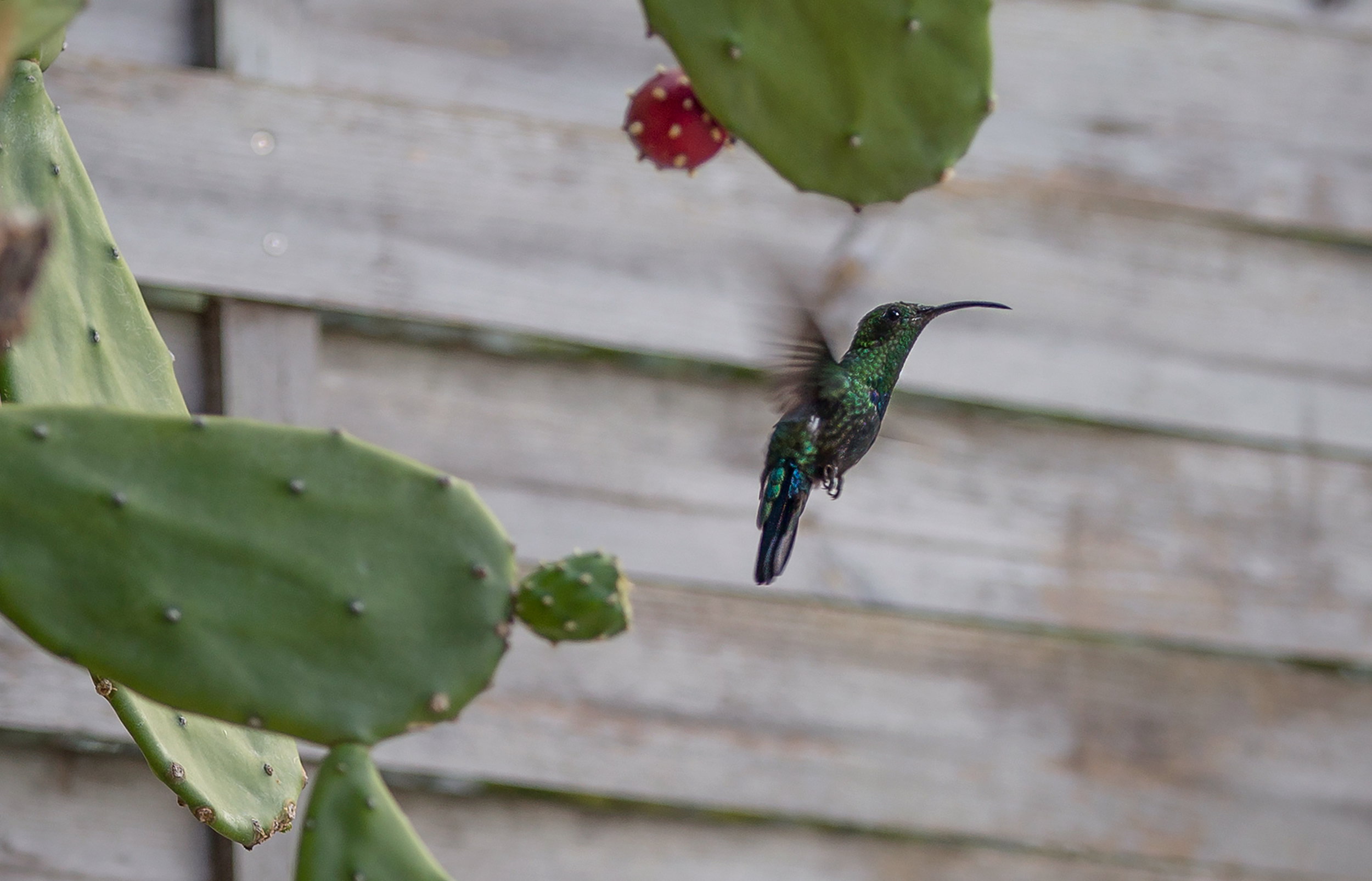
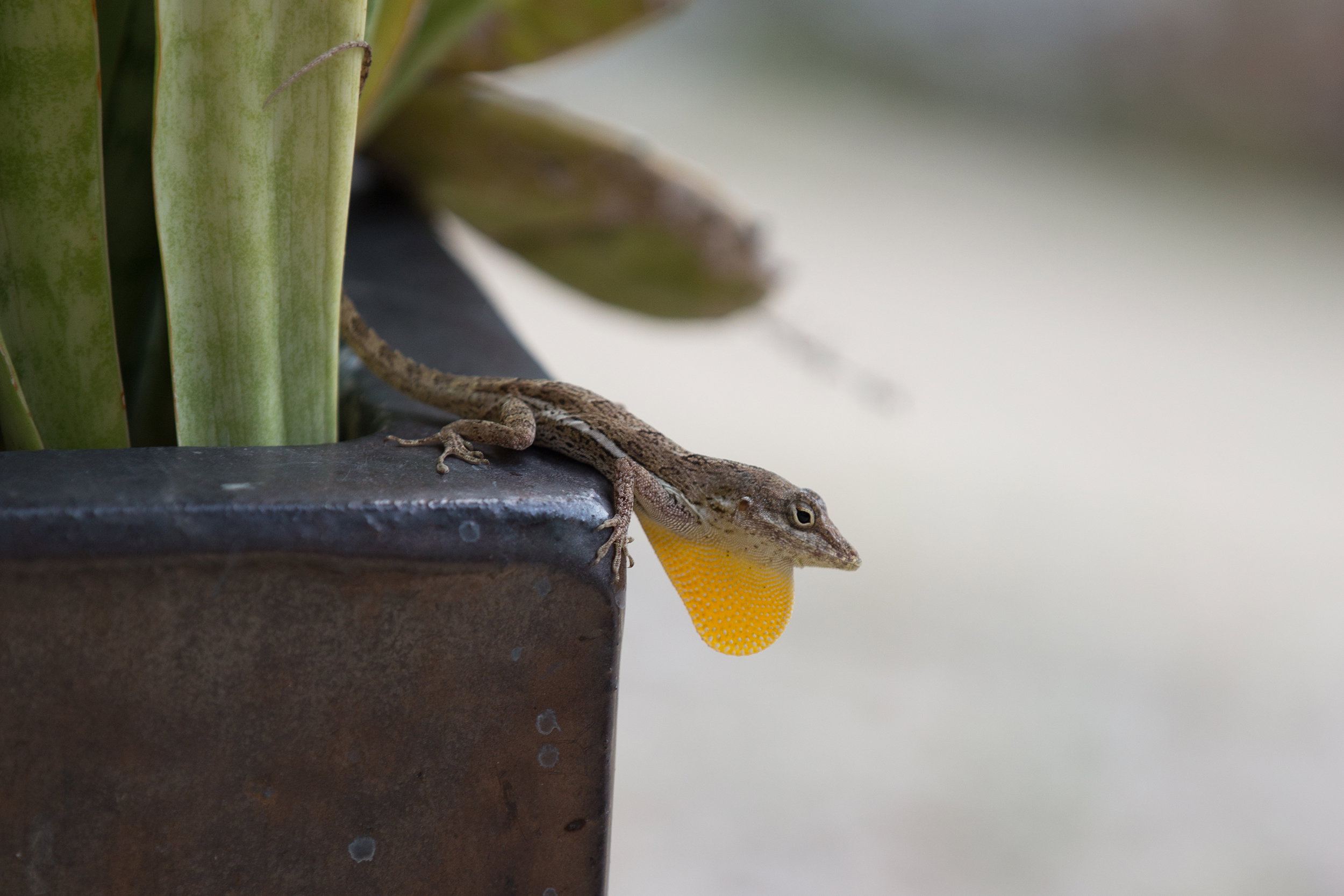
Beautiful, brilliantly coloured songbirds whose songs you can never get enough of, lightning-fast darting hummingbirds, butterflies, various lizards and iguanas in all sorts of colours and sizes accompany you wherever you go.
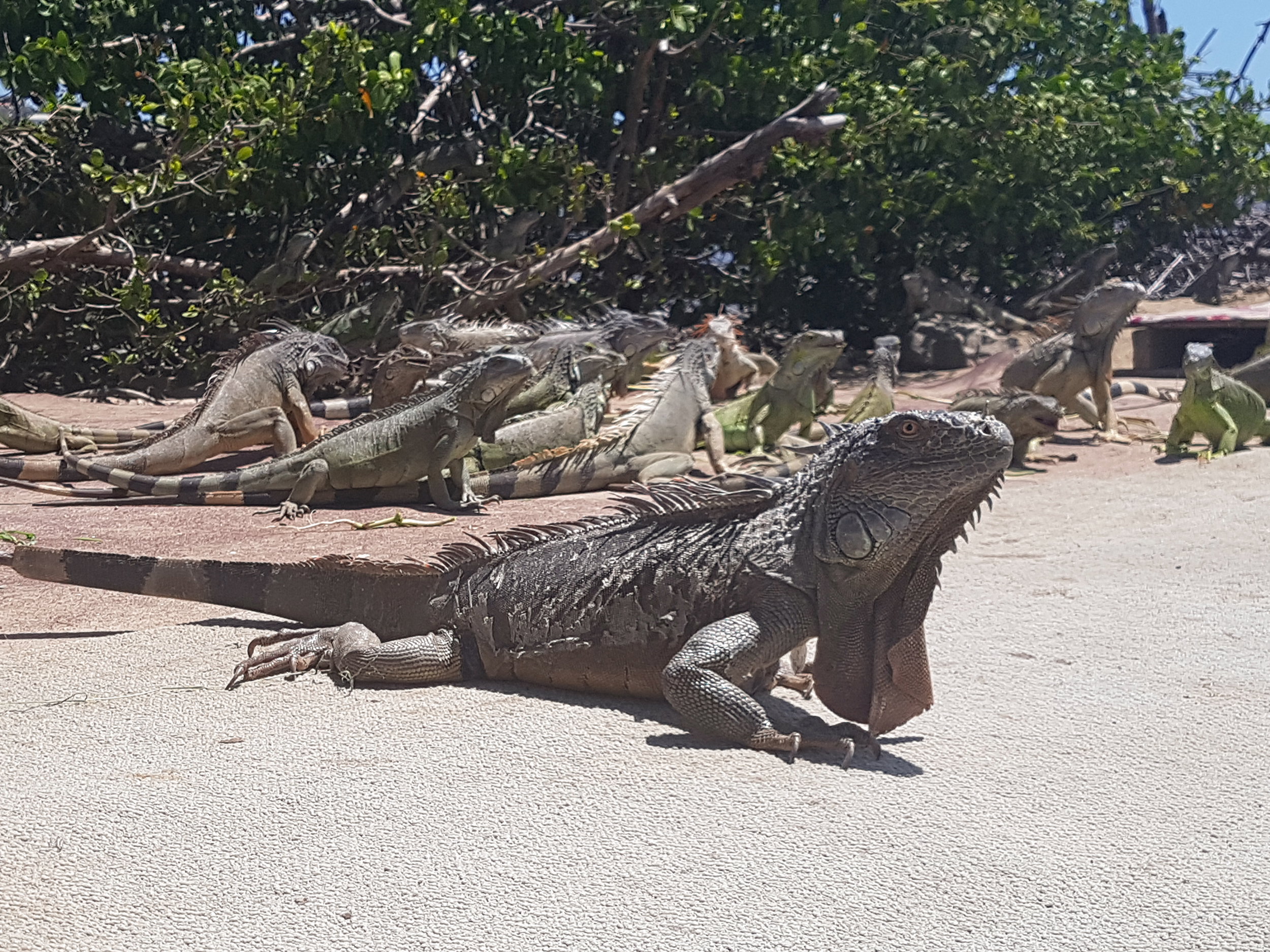
Iguanas are the island's funny little dragons, and in several places you can even feed them at organised sessions in exchange for a donation. Of course, that's more for first-time visitors, since you can bump into these funny, brightly coloured prehistoric creatures anywhere (even in the garden of our house).
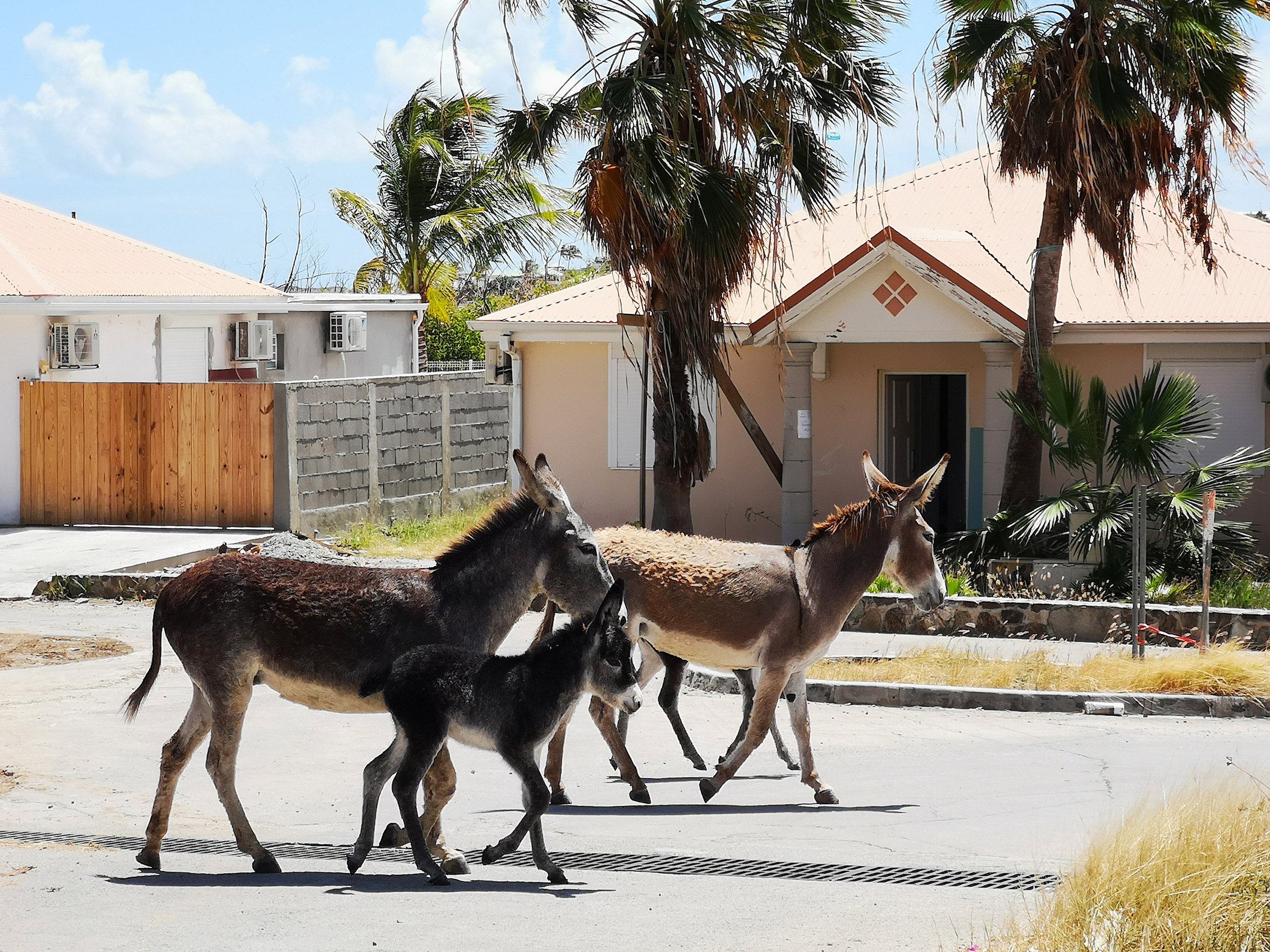
Of course, you'll also come across domestic animals: goats, donkeys, chickens, dogs and cats (rental houses often come with a kitty who'll purr gratefully at your feet if you make friends).
Because of Saint Martin's occasionally dry climate, drought-tolerant plants are common near the coast, while lush vegetation is typical of the higher areas. The Flamboyant tree is the island's national tree, flowering from June to September. Its red, yellow and orange flowers represent the flower of paradise, which is also why it's called the flame tree.
Many kinds of plants have been imported to the island, such as tamarind, coconut palms, banana and mango trees, and bougainvillea. Since the hurricane, efforts to replant and protect nature have been ongoing. Rare, protected species include the Turk's head cactus, the guaiac tree (also known as the tree of life) and some special orchids.